
Little River County Marriage License
A Little River County marriage license is issued by the County Clerk in Ashdown. Any couple that plans to wed in the state can apply here, and the clerk also keeps the official marriage license record on file for the county. This page walks through the address, hours, fee, and ID rules so you can plan your trip to the clerk or track down an older marriage license record for Little River County, Arkansas. Cash is the rule at this office, so read the steps first before you go.
Little River County Marriage License Overview
Little River County Clerk for Marriage License
The Little River County Clerk's office issues every marriage license for the county. The office sits at 351 North 2nd Street, Ashdown, Arkansas 71822. The clerk's phone line is 870-898-7210. Under state law, the clerk is the only official who can issue the license, and both parties must be present at the same time to sign.
The clerk does more than marriage licenses. The office runs elections, voter registration, DBAs, and estate probate work. It also keeps adoption and guardianship records. For marriage paperwork, the county clerk is where you apply, pay the fee, and later pick up a certified copy of your marriage license. Call ahead if you're coming from out of the area, since small offices may close for training days or holidays.
See the clerk's own page for the ID checklist and the current cash rule.
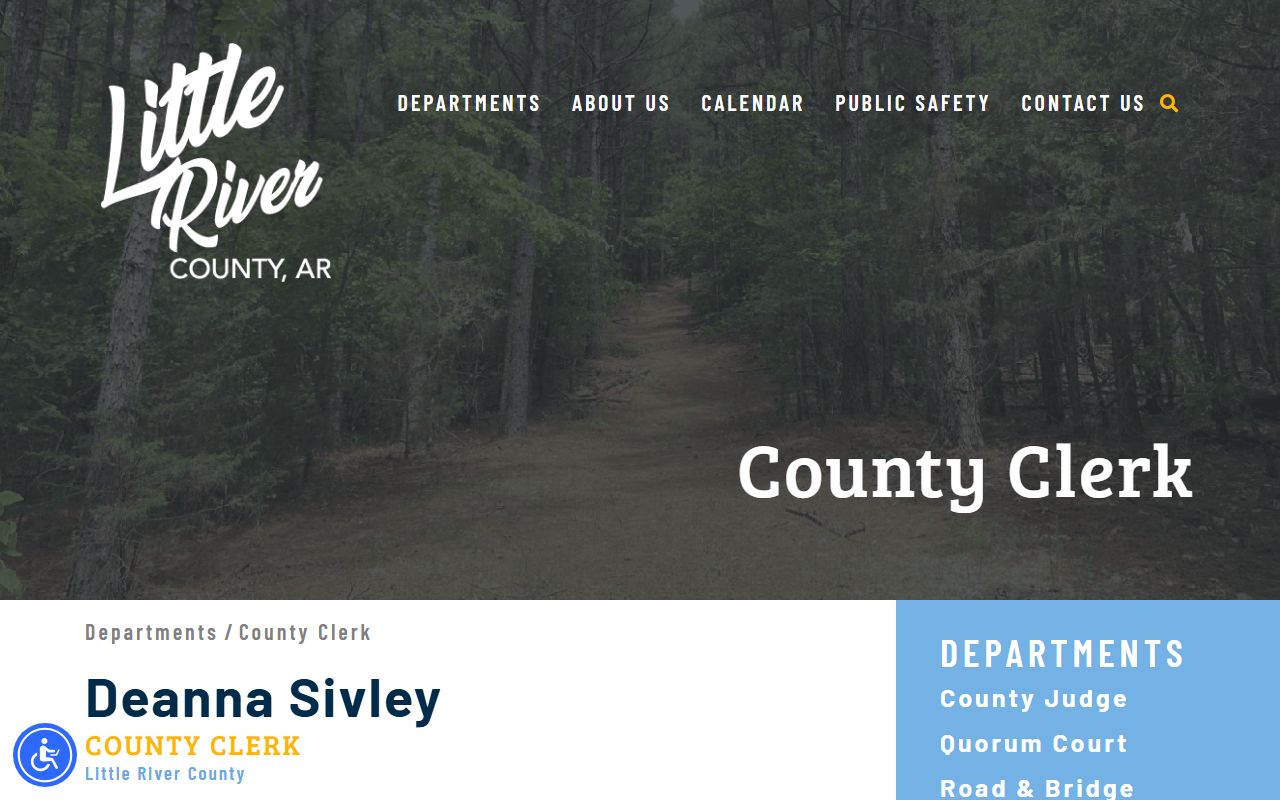
The page above spells out the ID and cash rules the office uses at the window, so you can gather everything before you leave home.
How to Apply for a Little River County Marriage License
Both parties must appear at the clerk's office together to apply. The office does not allow one party to come in alone. Bring a state or federal photo ID. A driver's license, state-issued ID card, or US passport all work. Each party also needs proof of Social Security number. That can be the Social Security card, a tax document, a bank statement, or a W-2 that shows your name and full number.
The fee is $60 in cash only. The clerk does not take checks or cards for the marriage license application. Once the paperwork is signed and the fee is paid, the license is issued on the spot. There is no waiting period for adults under Arkansas law. A blood test is not required in the state.
If either party was married before, bring a certified copy of the divorce decree or the spouse's death certificate. If a prior name was restored through a divorce, the decree must show that change. For applicants who are 17, both parents must be present and sign a notarized affidavit of consent, and the clerk imposes the mandatory 5 business day wait set out in Arkansas Code Title 9, Chapter 11. No one under 17 may apply outside of the narrow court review at § 9-11-103.
Checklist for the window:
- Photo ID for each party
- Social Security card or document with the full number
- $60 in exact cash
- Divorce decree or death certificate if you were married before
- Notarized parental affidavit if a party is 17
Note: Little River County is strict on the cash rule for the license fee. There is no ATM inside the courthouse, so bring exact change or small bills.
Little River County Marriage License Rules
The state sets the base rules, and the Little River County Clerk follows them. The license is good anywhere in Arkansas for 60 days from the date of issue. That means you can apply in Ashdown and hold the wedding in Texarkana, De Queen, Hope, or any other spot in the state. The officiant signs the license after the ceremony, and the signed paper must come back to the same clerk that issued it.
Under Arkansas Code § 9-11-201, the clerk of the county court is the officer who issues the license. Section 9-11-213 lists the people who can solemnize a marriage in the state. That list covers judges, mayors, justices of the peace, and any regularly ordained minister or priest. Ministers and justices of the peace must be registered in Arkansas before they sign a Little River County marriage license.
The clerk's guidance gives couples up to 100 days to return the signed license to the office for recording without a penalty. A late return beyond 100 days can bring a $100 fine under state rules. The applicants, not the officiant, carry the duty of getting the license back to the clerk.
For a wider view of the clerk's full role, browse the county's general departments list.

The page above shows where the county clerk sits next to the circuit clerk, since the two keep different sets of records even though they work in the same courthouse.
Certified Copies of Little River County Marriage Licenses
Once the signed license comes back in, the clerk records the marriage and can issue a certified copy. Certified copies cost around $5 at the county window. The copy carries the clerk's raised seal, which is what you need for a Social Security name change, passport update, pension claim, or a visa file. A plain photocopy has no legal weight.
You can pick the copy up in person at the Ashdown office, or you can send a written request by mail. A mail request needs the names of both parties, the date of the marriage if known, a phone number, a check or money order for the copy fee, and a self-addressed stamped envelope. Call 870-898-7210 first to confirm the current fee and the mailing address.
For a state-level coupon of the record, the Arkansas Department of Health Division of Vital Records keeps a central index from 1917 forward. The state copy costs $10. You can also order online through VitalChek, the state's official vendor. VitalChek adds a processing fee and sends the paper from the state office directly to you.
Little River County Marriage License Search
There is no open online search tool for Little River County marriage license records at the county level today. To look up an older license, call the clerk at 870-898-7210 or stop by the Ashdown office. Staff can pull the book by date or by name. A short in-person search is usually free, though a certified copy costs the $5 fee.
For a statewide search, the CIS Arkansas marriage license search covers many counties, though Little River is not on the current list of taking-part counties. You can still use the portal to check marriages pulled in other Arkansas counties if the couple crossed county lines to apply.
For family history work, FamilySearch indexes older Arkansas marriage records. Those records are not the official license but can give you names, dates, and volume numbers that help the clerk pull the book faster. The Arkansas Genealogy vital records guide also points to the right office for records from before 1917.
The county's main site links to the clerk, the circuit clerk, and the other offices in one place.

The site above is the best online starting point for Little River County marriage license questions, since it ties every office and phone line together on one page.
Heads up: Some older Little River County marriage records predate digital indexing, so a search by decade or by book number is often faster than a name search.
Related Records and Secondary Sources
A marriage license record can open other records in the county. If a divorce followed, the Arkansas CourtConnect case search shows civil filings from the Circuit Court for many counties in the state. Little River County is in the 9th Judicial District, and domestic relations cases are filed with the Circuit Clerk in the same courthouse.
The Association of Arkansas Counties county directory lists contact info for every county clerk in the state. If a license was pulled in a nearby county, that directory is the quickest way to find the right phone number. For a plain-language summary of the state's marriage license rules, the Arkansas vital records overview at vitalrec.com covers the 60 day window, the fee, and the office roles.
The Arkansas Vital Records certificates and records page explains what you can order from the state and what stays at the county. Use it as a second stop when the clerk's office cannot find a file or when you need a copy mailed across state lines.
Nearby Counties
If the license wasn't pulled in Little River County, try a neighbor. Couples in the southwest corner of the state often apply in the next county over, depending on where the ceremony is set.